Article: What Is Wabi-Sabi Art? Transform Your Space with Imperfect Beauty
What Is Wabi-Sabi Art? Transform Your Space with Imperfect Beauty
Unlike the abstract art and realistic landscape paintings most people are familiar with, wabi-sabi art is a low-key art form that is quietly gaining popularity. Originating in Japan, wabi-sabi is the country’s oldest form of minimalism. Wabi-sabi paintings feature bold lines and blocks of color, but unlike the vibrant hues of abstract art, they primarily use black, white, and gray pigments for their depictions. While wabi-sabi paintings may also employ multiple colors for realistic rendering, unlike traditional landscape painting, they focus more on the simple, understated expression of layered, muted tones. There is still much to discover about wabi-sabi painting...
The Philosophy Behind Wabi-Sabi Painting
The essence of wabi-sabi art is rooted in the concepts of “impermanence” and “humility.” It reflects an Eastern way of thinking—accepting the true nature of all things as they change over time.
The renowned Japanese architect Tadao Ando, known for his wabi-sabi style, once said, “Wabi-sabi, reduced to its essence, is a profound concept in Japanese art that finds beauty in imperfection and gains insight from nature; it accepts the natural cycle of growth, decay, and death. It is simple, slow, and unadorned, and places authenticity above all else.”
In the realm of painting, this philosophical concept is often expressed in subtle and understated ways. It rejects the deliberate pursuit of perfect details and dramatic, intense expressions, focusing instead on revealing the beauty of imperfection: faded hues, natural textures, the unadorned traces of time’s passage within the painting, and the primordial beauty of natural objects decaying in their own time.

Visual Language of Wabi-Sabi Art
Wabi-Sabi painting incorporates the seven principles of wabi-sabi: Kanso – Simplicity, Funkinsei – Asymmetry, Shibumi – Beauty in the Understated, Shizen – Naturalness, Yugen – Subtle Grace, Datsuzoku – Freedom from Habits, Seijaku – Tranquility are integrated into every step of the painting process and every stroke of the brush.
In terms of color palette, the artist typically favors earth tones, such as warm browns, soft grays, and delicate off-whites. These natural hues help create an atmosphere imbued with the passage of time, while the use of black lines accented with flecks of gold evokes the sparse, star-studded expanse of a real night sky.
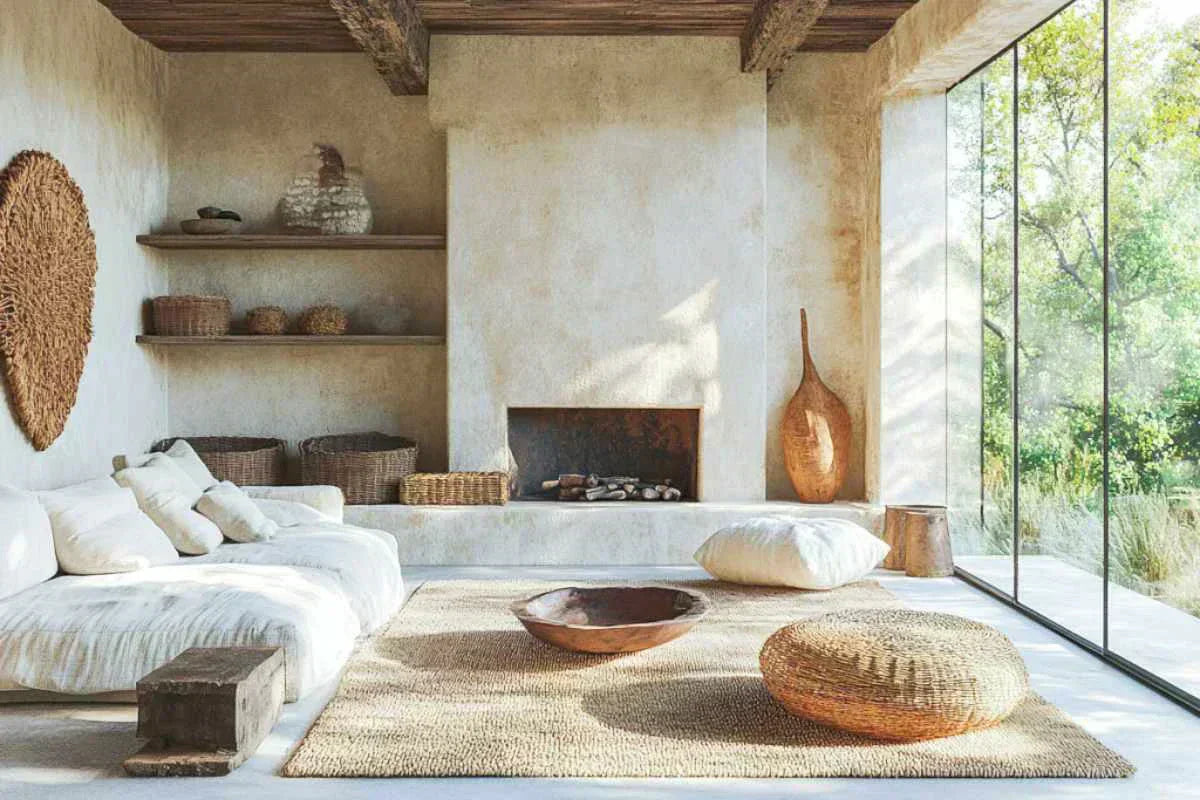
Texture is just as important. Instead of smoothing everything out, Wabi-Sabi art follows the natural surface of the subject—capturing tiny cracks in old objects, or the grainy texture of wheat and other natural forms. These details preserve the raw, imperfect feel of hand-made work and give each piece a sense of warmth and life.

Wabi-Sabi Textured Oil Painting for Walls #CJH001

Wabi-Sabi Textured Abstract Wall Art #CJH003
In pursuit of authenticity, Wabi-Sabi paintings are primarily executed as purely hand-painted oil works. Artists typically select high-quality, professional-grade canvas and use mineral-based pigments to create a rich, textured surface with a deep, earthy quality, further emphasizing the unique characteristics of Wabi-Sabi aesthetics—a sense of connection to the earth and an organic vitality.
Why Wabi-Sabi Paintings Feel So Calming
What makes wabi-sabi paintings so calming is their focus on raw textures, earthy tones, natural materials, and subtle marks of time—such as soft patina and faint rust.
These quiet, understated details build a gentle sense of stillness. Rather than drawing attention aggressively, the artwork invites you to slow down, breathe, and simply be present.
The minimalist composition brings soft visual balance. This restrained, uncluttered style eases mental tension and fills a space with quiet, soothing comfort.
The Application of Wabi-Sabi Art in Interior Design
At its core, wabi-sabi painting draws inspiration from weathered textures, natural pigments, and the subtle beauty of imperfection. It blends simplicity with organic detail to create a balanced visual style that feels both grounded and refined. This makes it an ideal match for modern luxury interiors that prioritize calmness and authenticity.
- In daily living spaces, wabi-sabi wall art adds soft depth and gentle warmth. Curved textured pieces like Wabi-Sabi Wall Art #JLS007 bring soft fluidity and a laid-back vibe.

- In the bedroom, pieces like "Wabi-Sabi Wall Art #JLS009" create a serene and tranquil atmosphere through the combination of soft, irregular white paint splashes—appearing frequently in small areas—and large expanses of smooth, flowing cement-gray paint.

- For tea rooms and quiet retreat spaces, Wabi-Sabi Wall Art #JLS004 amplifies tranquility with its raw tactile texture.

- Meanwhile, modern minimalist homes pair perfectly with earthy-tone art like Wabi Sabi Abstract Oil Painting #JLS013 unifying the whole space with understated natural harmony.

These artworks do more than simple decoration. They redefine the atmosphere of a room, turning ordinary living spaces into calm, grounded retreats with soothing visual breathing room.
How to Choose a Wabi-Sabi Painting
Finding the right wabi-sabi wall art comes down to simple, practical details that fit your home decor and everyday vibe.
Color
When picking colors, stick with soft, muted tones that work naturally with modern American interiors. Go for warm earth browns, hazy grays, gentle beige and clean off-white — these timeless shades never go wrong. Skip harsh neon hues or bold high-contrast colors. Soft, low-saturation tones mix easily with wood furniture, neutral sofas and minimalist decor, keeping your space feeling relaxed and visually cohesive.

Texture
Texture makes all the difference with wabi-sabi art. This style shines with handcrafted, tactile details that feel warm and lived-in. Look for paintings with organic, uneven brushwork, subtle raised textures, matte finishes and natural organic surface details. This raw, hand-made feel fits the cozy, casual style most modern homeowners prefer. Overly smooth, overly polished pieces just don’t have that genuine wabi-sabi character.
Dimensions
Always think about size before you buy. Take a quick measurement of your wall first. Small pieces are perfect for narrow walls, above the bed, or as sweet corner accents. Medium sizes work great for standard living room and dining areas. Larger paintings look stunning above sofas or in open-concept homes, acting as a soft, gentle focal point. The right size keeps the room balanced, without feeling too crowded or empty.
Spatial Compatibility
Last but not least, match your artwork to your space and lighting. Dark, warm rooms with soft lighting pair beautifully with deep earthy tones and heavy textured art. Bright, sunlit homes with plenty of natural light work best with light, pale neutral wabi-sabi pieces that feel fresh and airy.

Names to know within the world of Wabi-Sabi
Artist Isabella Rose is known for soft, nature-inspired work that feels calm and effortless. She leans into muted tones and delicate textures, creating a relaxed, lived-in atmosphere that fits naturally into everyday spaces.
Sebastian J. Brooks takes a more structured approach to modern wabi-sabi painting. His work focuses on warm earthy tones, subtle signs of aging, and clean, minimal compositions. Layered textures and matte finishes give his pieces a grounded, refined feel — making them a great fit for modern minimalist and quiet luxury interiors.
Wabi-sabi art is rooted in pure authenticity
If you'd like to bring this feeling into your space, you can browse our 100% handmade oil painting collection—each piece is personally signed by the artist.