Why Textured Art Is Everywhere
A quick look at today’s home decor reveals a clear shift: texture has taken center stage. Limewash walls, raw wood furniture, handmade ceramics, and layered fabrics are replacing flat, overly polished surfaces. People now lean toward materials and artwork that appear more natural, tangible, and alive.
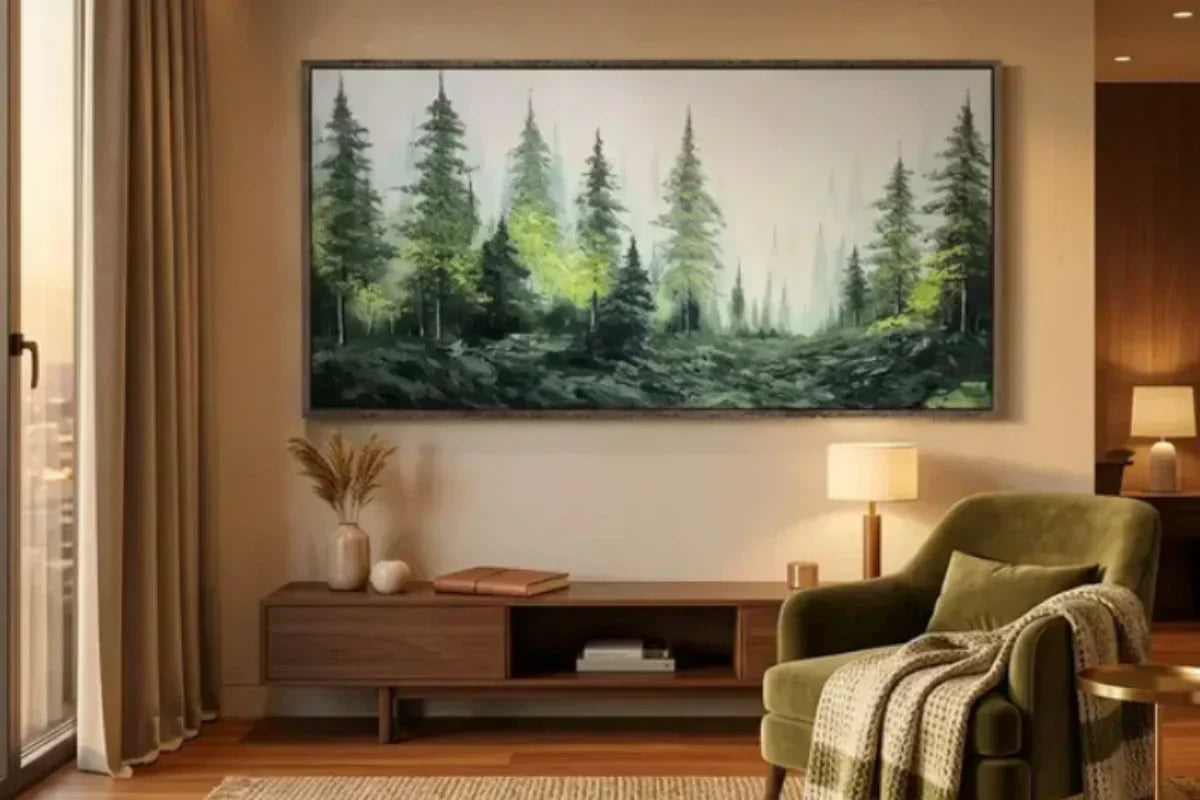
Wall art plays a major role in this movement. Hand-painted textured pieces, in particular, bring depth and motion into a room—something printed canvas cannot achieve. Unlike mass-produced prints, textured oil paintings are built from actual paint layers. Those layers catch daylight differently from morning to evening, producing subtle changes in tone, shadow, and dimension. The result acts less like decoration and more like a breathing part of the home. This explains why textured art ranks among the most requested styles in contemporary design.
Abstract Art Still Leads the Way
Among wall art styles, abstract paintings remain a strong force in interior design. The reason is straightforward: abstract art fits nearly any setting. It does not fight with furniture or architecture. Instead, it introduces movement, mood, and structure without overwhelming a space.
In many modern homes, abstract textured works serve as statement pieces above sofas, beds, or dining areas. They anchor a room visually while keeping the overall design clean and balanced.
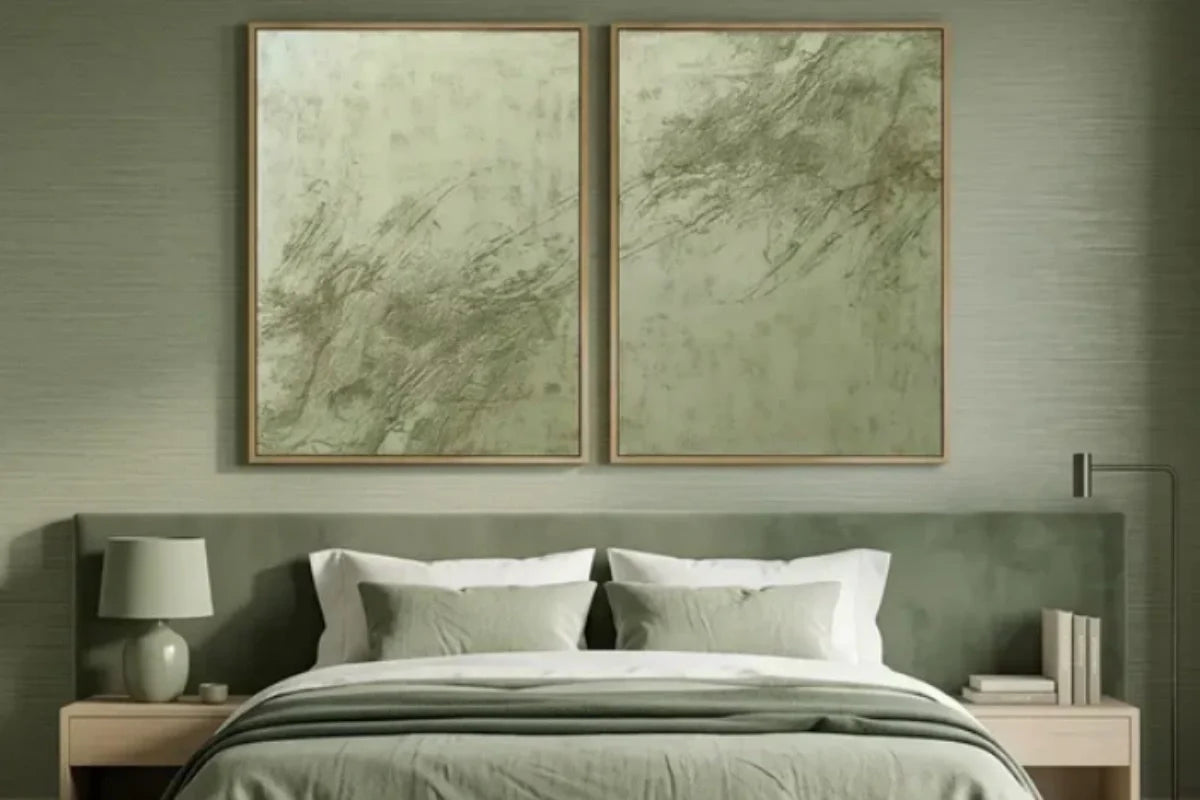
For example, nature-inspired abstract compositions like the Abstract Textured Diptych Green Branch Oil Painting Set bring a soft organic feel into a space. The green branch textures add a natural rhythm that pairs well with calm, neutral interiors.

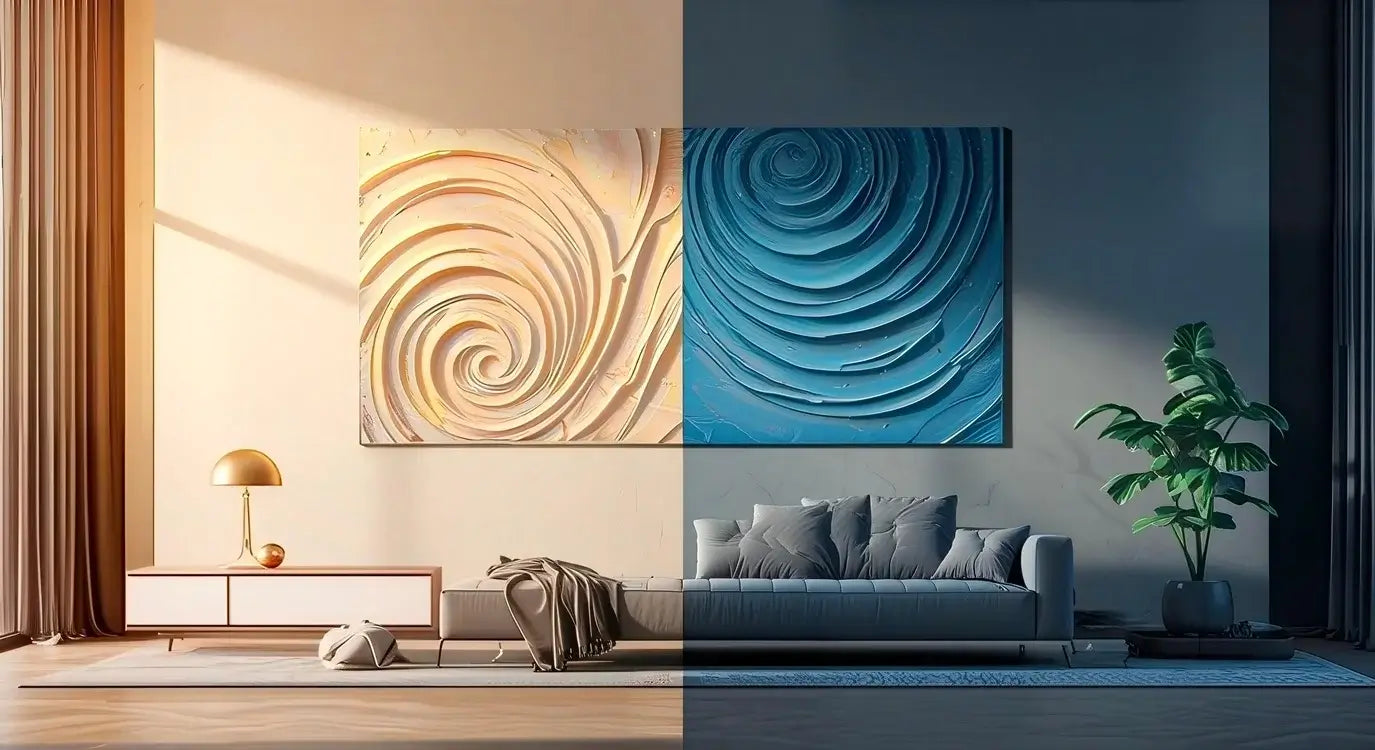
On the other side, sculptural and dimensional works such as the Impasto White Texture Art CXH072 Curved Texture Oil Painting focus on motion and layered paint structure. The curved impasto strokes create depth that changes with lighting and viewing angle, giving the piece an almost architectural quality.

Together, these examples show how abstract art has evolved. It is no longer just about color and composition—surface, texture, and physical presence now matter just as much.
Nature-Inspired Textures Gaining Ground
Another major direction in wall art today is nature-inspired texture design.
Instead of realistic landscapes, many modern pieces center on simplified natural elements—sand, stone, water, and coastal light. These artworks feel calm and balanced, and they integrate easily into various interior styles.
A strong example is 3D Textured Coastal Wall Art #HJH019 White Ocean Sand Texture Painting*, which combines soft white ocean tones with warm sandy textures. The surface has a layered, almost sculptured quality that makes it appear light and airy.

This type of artwork works especially well in coastal homes, minimalist interiors, and spaces designed around natural light. It does not dominate the room; instead, it adds quiet visual depth that shifts subtly throughout the day.
Wabi-Sabi Influence in Modern Interiors
One of the more intriguing trends shaping wall art right now is wabi-sabi design.
This style focuses on simplicity, imperfection, and natural balance. Rather than polished perfection, it embraces raw textures, muted tones, and organic structures.
In wall art, that translates to stone-like surfaces, soft geometric blocks, or minimal compositions that feel grounded and deliberate.
A good example is Textured Stone Forms Wabi Sabi Wall Art Black Grey Block Composition, which uses layered black, white, and gray forms to create a quiet yet powerful visual impact.

Bright colors or complex details are absent. The texture itself becomes the focus, giving the piece a calm, architectural presence that fits perfectly in modern minimalist spaces.
Real Art Changes a Room’s Atmosphere
One reason textured hand-painted art continues to grow in popularity is simple: it transforms a room’s atmosphere.
A printed image remains flat from any angle. But real oil painting responds to light, space, and distance. It looks different from morning to night, and even from one viewpoint to another.
That kind of variation brings personality into a home in a way mass-produced decor cannot match.
Whether abstract compositions, coastal-inspired textures, or wabi-sabi minimal forms, each painting carries its own presence. It becomes part of the environment rather than just an object on the wall.
Why This Trend Keeps Growing
The rise of textured art is not a passing design fad. It reflects a larger change in how people want to live.
More homeowners seek spaces that feel personal, calm, and grounded. They want objects with texture, depth, and human touch—not just digital or printed surfaces.
Hand-painted textured artwork fits that need perfectly.
It adds warmth to minimal interiors. It creates focus in large open spaces. And most importantly, it brings a sense of authenticity that modern homes frequently lack.
That is why textured wall art continues to gain traction—and why it is becoming a defining element of modern interior design.